

Why Salt Geometry Matters in Industrial Softener Performance
Commercial ion-exchange softeners operate under conditions that are far more demanding than most domestic systems. Laundries may regenerate frequently to maintain washing performance, boiler plants must control hardness before scale damages heat-transfer surfaces, and cooling systems can experience rapidly changing makeup-water demand. In each case, the softener depends on a reliable brine supply, predictable valve hydraulics, and resin regeneration that restores capacity without creating avoidable mechanical stress.
Domestic advice often treats salt as interchangeable, but that assumption becomes risky at commercial scale. Compacted tablet salt presents a dense, durable surface that can dissolve steadily when the brine tank is correctly designed and maintained. High-purity granular vacuum salt exposes more surface area and can produce brine quickly, but fines may settle and form a restrictive layer. The selected format therefore affects brine consistency, resin service life, labor requirements, and uptime. A clear explanation of water-softening principles helps facilities managers connect regenerant selection with the underlying ion-exchange process rather than treating salt as a simple consumable.
Dissolution Kinetics and Saturated Brine Production
The central technical question is not simply which salt dissolves faster. It is whether the salt can produce the required brine concentration within the available contact time and continue doing so consistently over repeated regeneration cycles. Compacted tablets have relatively low exposed surface area per unit of mass. Their uniform shape and density can support controlled dissolution, particularly in a wet-bed brine tank where salt remains in contact with water between cycles. Granular vacuum salt has a more open matrix, so water can penetrate the mass more readily and dissolve salt rapidly, especially when the tank is freshly loaded.
Commercial systems commonly aim for saturated brine near 26 percent concentration, often described operationally as a 100-degree salometer reading. The actual result depends on temperature, salt purity, water level, tank geometry, and contact time. A fast regeneration schedule can expose weaknesses that remain invisible in a domestic installation. If brine is drawn before sufficient saturation has developed, the softener may receive an under-strength regenerant. The resin then leaves the cycle only partially regenerated, increasing hardness leakage and shortening the interval before the next regeneration.
Dry-bed saturators and wet-bed brine tanks behave differently. In a dry-bed design, water enters the salt mass during the fill stage, so dissolution must occur quickly enough to create usable brine before the draw begins. Granular salt may offer a kinetic advantage, but excessive fines can compact at the bottom and restrict flow. In a wet-bed arrangement, a standing brine volume remains available and the salt bed replenishes concentration over time. Tablets can perform well in this environment because their slower, more predictable dissolution reduces sudden concentration changes.
| Parameter | Compacted tablet salt | Granular vacuum salt |
|---|---|---|
| Physical structure | Dense, uniform, low-dust compact | Loose grains with greater exposed surface |
| Typical dissolution behavior | Steady and comparatively controlled | Rapid initial dissolution, potentially less uniform as fines accumulate |
| Main hydraulic concern | Bridging under humidity and compression | Mushing, sediment accumulation, and injector restriction |
| Best fit | Deep tanks, reliable wet storage, and predictable dosing | Systems requiring rapid dissolution with effective solids management |
Salt purity also matters. Vacuum salt is generally highly refined and contains fewer insoluble materials than many lower-grade products, but high purity does not eliminate the possibility of fines or sediment. The correct specification should include purity, particle-size distribution, moisture content, packaging or bulk-delivery requirements, and compatibility with the manufacturer”s brine system. Regeneration guidance from commercial softener operating practice emphasizes that flow, timing, salt dose, and contact must be evaluated together.
Hydraulic Realities of Salt Bridging and Mushing
Salt bridging occurs when a hard crust or arch forms above the actual water level in the brine tank. Tablets can contribute to this problem because their compact surfaces may bond when exposed to humidity, condensation, or repeated wetting and drying. The bridge can appear to indicate a full tank while the lower salt bed has already been consumed. Regeneration then draws weak brine or plain water, even though the visible salt level seems adequate.
Mushing follows a different mechanism. Granular salt contains individual particles and, depending on handling and storage, a proportion of fines. When water repeatedly enters and leaves the lower part of the bed, these fines can migrate downward, collapse into a dense sediment layer, and reduce the open area available for brine movement. The resulting sludge can cover the brine well inlet, obstruct a draw tube, or restrict the flow path feeding an injector or eductor in the control valve.
Practical warning signs include a crusted surface, standing water that does not fall during regeneration, returning hard water, unusually high salt consumption, reduced flow, repeated regeneration failure, and abnormal pressure behavior. Guidance from the Nebraska agricultural extension service also identifies humidity, compaction, and physical salt condition as important factors in softener flow problems.
- Inspect the salt surface and probe cautiously for a hollow bridge, rather than assuming the tank is full.
- Check brine draw performance, water level movement, injector condition, and drain-line flow.
- Look for sludge or compacted sediment around the brine well and draw-tube inlet.
- Record hardness before and after regeneration, along with salt usage and cycle duration.
- Bypass and isolate the equipment before major cleanout work, particularly where untreated water could affect boilers or production equipment.
A proper cleanout normally involves removing the remaining salt, draining the brine tank, breaking up deposits, rinsing the tank, inspecting the float and brine components, and refilling with suitable regenerant. Manual intervention should not damage the tank, brine well, float assembly, or draw tube. Persistent restrictions, overflowing, poor drainage, or control-valve faults warrant qualified service because the fault may be hydraulic rather than simply a salt-quality issue.
Osmotic Shock and Longevity of the Ion-Exchange Bed
Strong acid cation resin used for sodium-cycle softening consists of polymer beads designed to exchange calcium and magnesium for sodium. During regeneration, concentrated brine replaces the hardness ions and restores the sodium form. If brine enters the bed too aggressively, however, the resin can experience a sudden change in ionic strength. The beads absorb and release water as their internal osmotic balance changes, producing repeated swelling and shrinking cycles.
Over time, excessive mechanical and osmotic stress can contribute to bead cracking, attrition, and fines generation. Fines may increase pressure drop, promote channeling, and leave the vessel through downstream screens if the system is not properly protected. Controlled brine introduction, correct slow-rinse flow, adequate contact time, and an effective final rinse help create a gradual concentration profile through the bed. More salt is not automatically better; a carefully optimized dose can regenerate resin effectively while reducing chemical waste and structural stress. The ion-exchange engineering reference explains why resin capacity, regeneration conditions, and long-term operating cost must be considered as a connected system.
Application Engineering Matrix Across Duty Cycles
Salt selection should follow the duty cycle and the consequences of failure. A low-pressure steam boiler may tolerate neither hardness leakage nor an unexpected regeneration failure because scale reduces heat transfer and can create overheating risks. A commercial laundry may regenerate more often and place greater emphasis on fast brine preparation, predictable delivery, and minimizing operator intervention. An evaporative cooling tower may experience variable makeup flows, requiring metered regeneration and a brine system that remains dependable through changing demand.
The best choice is therefore equipment-specific. Tablets can be advantageous where tank depth, humidity control, and regular inspection support a stable compact bed. Granular vacuum salt can be appropriate where rapid dissolution is valuable and the brine tank has sufficient solids separation, accessible cleanout points, and hydraulic capacity to manage fines. In either case, the product should be approved for the softener design, delivered consistently, and stored under conditions that limit moisture uptake.
- Document the application, including boiler pressure, laundry throughput, cooling makeup demand, hardness load, peak flow, and allowable hardness leakage.
- Review the softener design, brine-tank depth, wet-bed or dry-bed configuration, injector size, draw-tube arrangement, and control-valve requirements.
- Compare tablet and granular salt using dissolution time, purity, fines content, moisture behavior, delivery method, and expected cleanout frequency.
- Confirm the regeneration program, including salt dose, brine draw rate, slow-rinse period, backwash capacity, fast rinse, and demand-initiated controls.
- Commission the delivery with a baseline test for feed hardness, treated-water hardness, brine concentration, pressure drop, and cycle completion.
- Set operating alarms and inspection intervals for salt bridging, mushing, abnormal water level, high salt use, failed regeneration, and drain restriction.
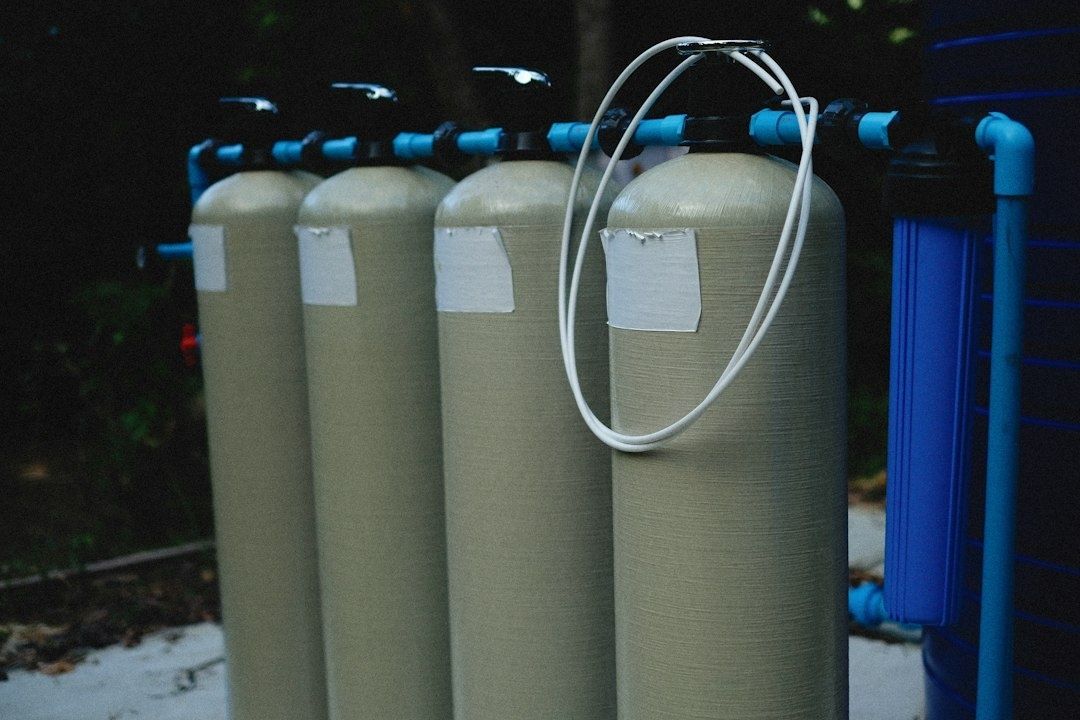
For continuous operations, duplex or multi-tank systems can maintain treated-water service while one vessel regenerates. Metered controls generally provide better alignment between regeneration and actual water demand than fixed schedules, although the programming must reflect process sensitivity and peak production periods. A commercial system should also have an emergency response plan for overflow, hard-water breakthrough, or unexpected loss of brine draw.
Building an Efficient Regenerant Specification for Your Facility
Tablet and granular salt each solve a different operational problem. Tablets offer mechanical durability, consistent geometry, and controlled dissolution, but humidity and compaction can produce bridging in deep or poorly ventilated tanks. Granular vacuum salt offers high purity and rapid surface dissolution, but fines can migrate into the lower bed and create mushing, restricted draw tubes, and additional cleanout work. Neither format is universally superior. Performance depends on tank hydraulics, regeneration frequency, storage conditions, and the quality of maintenance.
The economic decision should include more than delivered price per tonne. A lower-cost salt can become expensive if it causes frequent cleanouts, weak brine, hardness leakage, emergency service, or boiler and laundry interruptions. As a practical rule, select tablets where the system has deep storage, controlled humidity, and a strong need for steady dissolution. Select granular vacuum salt where rapid brine preparation is valuable and the tank design, inspection access, and maintenance program can manage sediment. Before committing to bulk supply, verify the product specification, run a controlled commissioning test, and track salt consumption, hardness leakage, brine concentration, and maintenance hours. That evidence provides a sound basis for the next delivery decision and protects both resin life and plant uptime.